
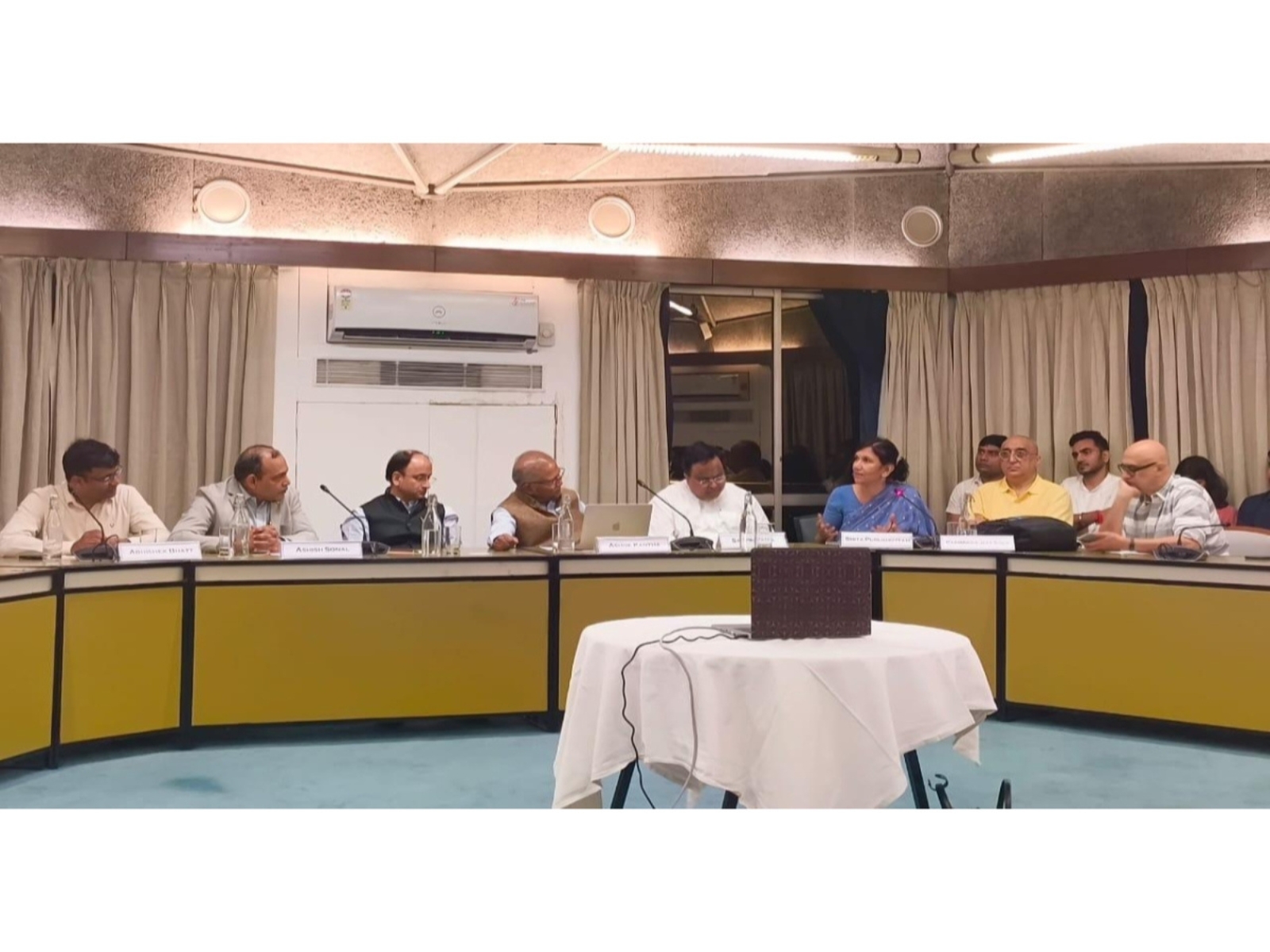
India urgently needs to work towards achieving digital independence, with a strong focus on building and strengthening domestic cloud infrastructure, according to industry bodies Bharath Digital Infrastructure Association (B-DIA) and SITARA. During a discussion held at the India International Centre, industry experts, policymakers, and technology leaders cautioned against India’s growing dependence on foreign cloud service providers for critical digital and data infrastructure.
The speakers highlighted that excessive reliance on foreign cloud platforms poses significant risks to data sovereignty, national security, and long-term economic stability. They emphasized that data generated within the country should be considered a strategic national resource and must remain under Indian jurisdiction to ensure security and regulatory control. The discussion also raised concerns about geopolitical uncertainties and how external dependencies could impact access to critical digital services in the future.
B-DIA and SITARA stressed the importance of creating a supportive ecosystem for indigenous cloud and digital infrastructure providers. This includes encouraging private sector participation, increasing investments in research and development, and formulating policies that enable Indian technology companies to scale and compete globally. The panel noted that retaining skilled talent within the country and supporting innovation are essential steps toward building a resilient digital economy.
The discussion further underlined that digital independence is not just a technological requirement but a strategic necessity for India’s economic growth and national interest. Strengthening domestic cloud capabilities was identified as a key factor in fostering innovation, generating employment, and ensuring long-term sustainability of India’s digital ecosystem. The speakers called for a clear and focused “Digital Atmanirbharta” roadmap to reduce dependence on foreign technology and to secure India’s position in the global digital landscape.



Comments are closed